
Kayle at Home
Sourdough Starter Sully
Sourdough Starter Sully
Struggling to get a rise from your sourdough bread? Say goodbye to failed starters meet Sully, your new sourdough sidekick!
This powerful, rehydrated sourdough starter has a rich history over 60 years old and has helped home bakers just like you achieve beautiful, airy, high-rise loaves with ease.
In 2022, after failing multiple times to make my own starter, I was on the brink of giving up. That changed when one of our regular egg customers offered me a frozen piece of her grandmother’s sourdough starter, lovingly kept for decades. I revived it and everything changed.
I named my starters Mike and Sully, my little yeast monsters. Mike is tucked away, but Sully has been my daily baking companion ever since. With Sully, my dough became stronger, more elastic, and filled with beautiful bubbly structure.
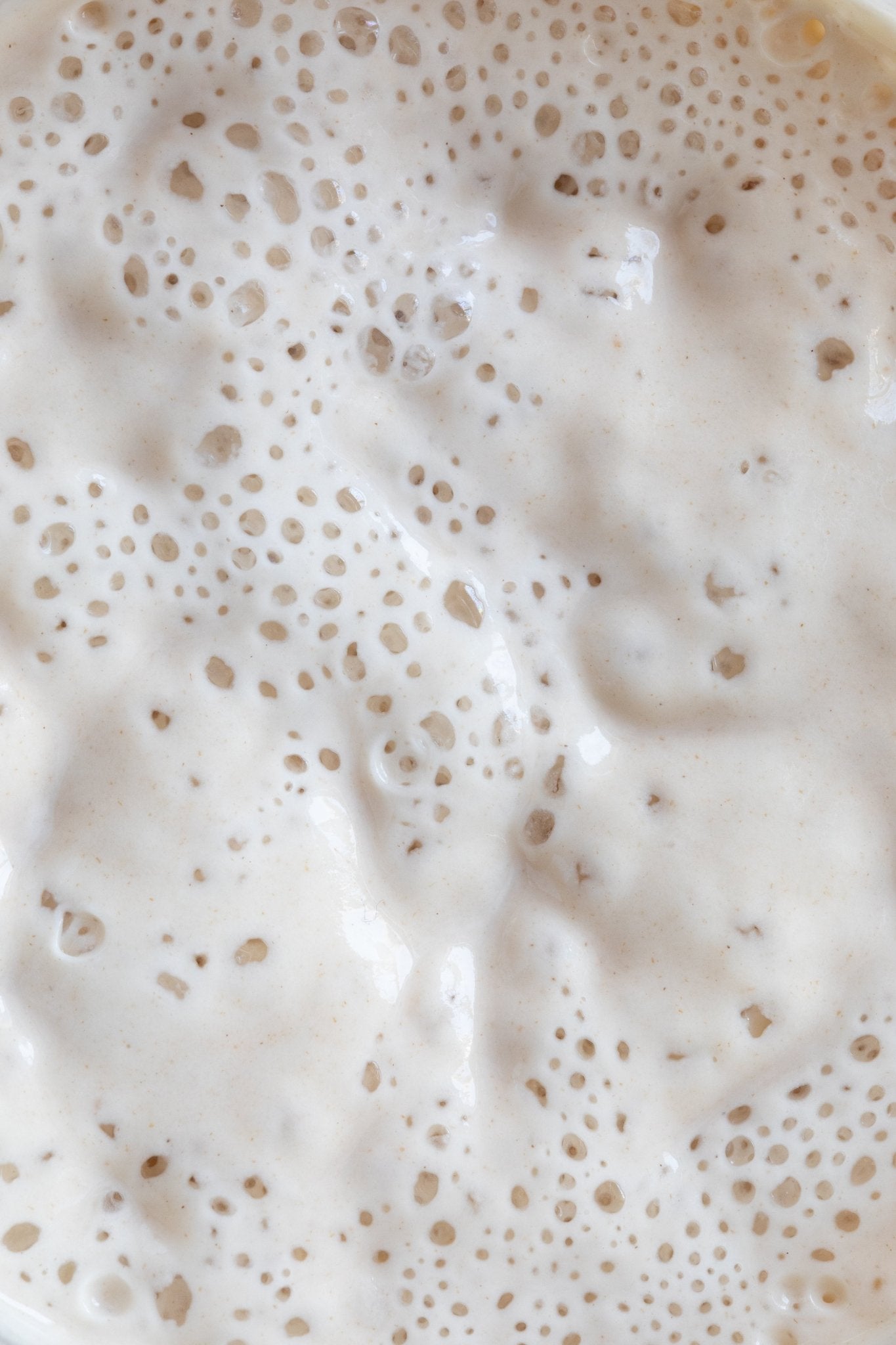
Now, I’m sharing Sully with you. Whether you're a beginner or a frustrated baker, you’ll see results in as little as five days. No more guessing, no more fails just an active, bubbly, reliable starter.
What’s Included:
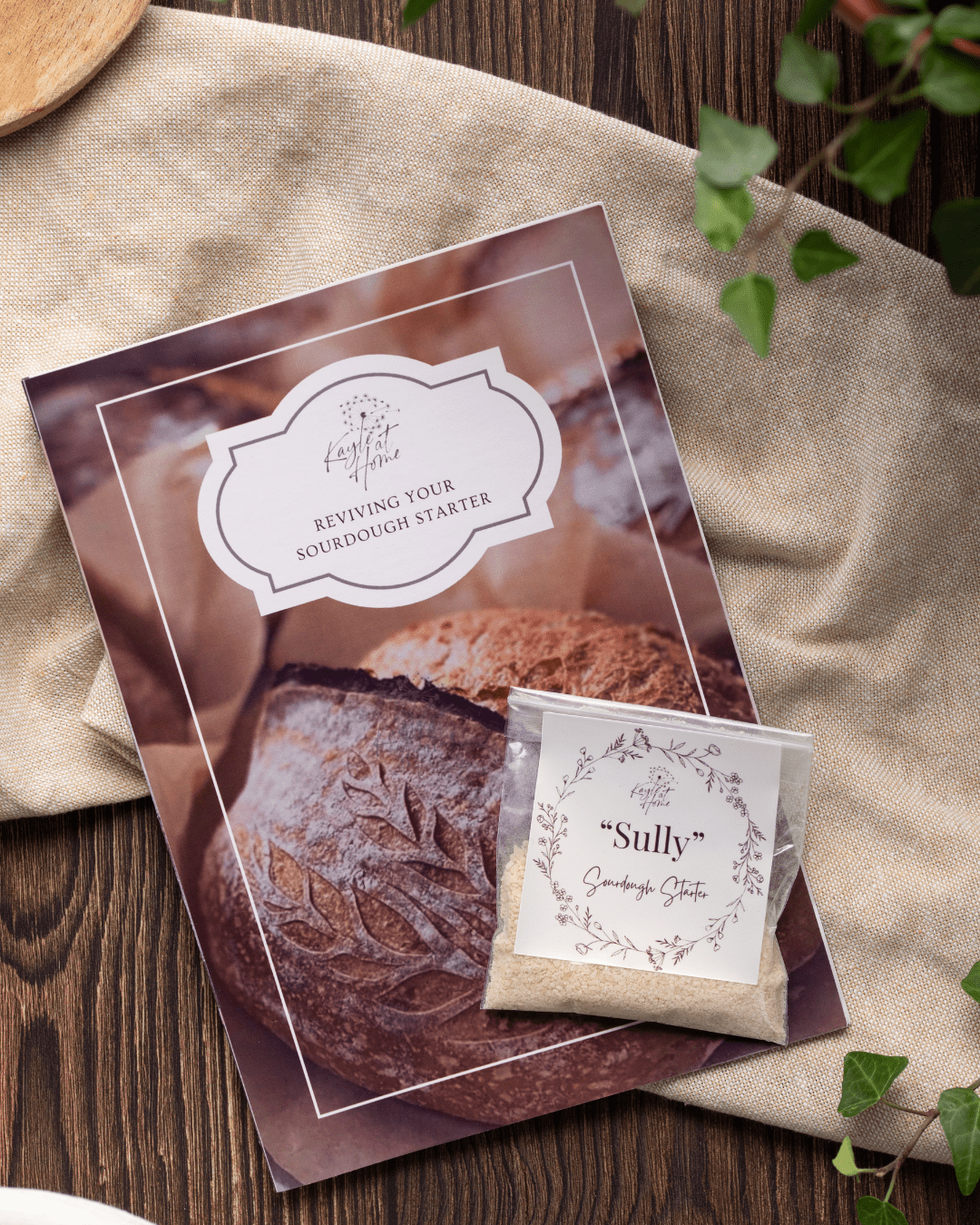
- Dehydrated Sully sourdough starter (from a heritage culture)
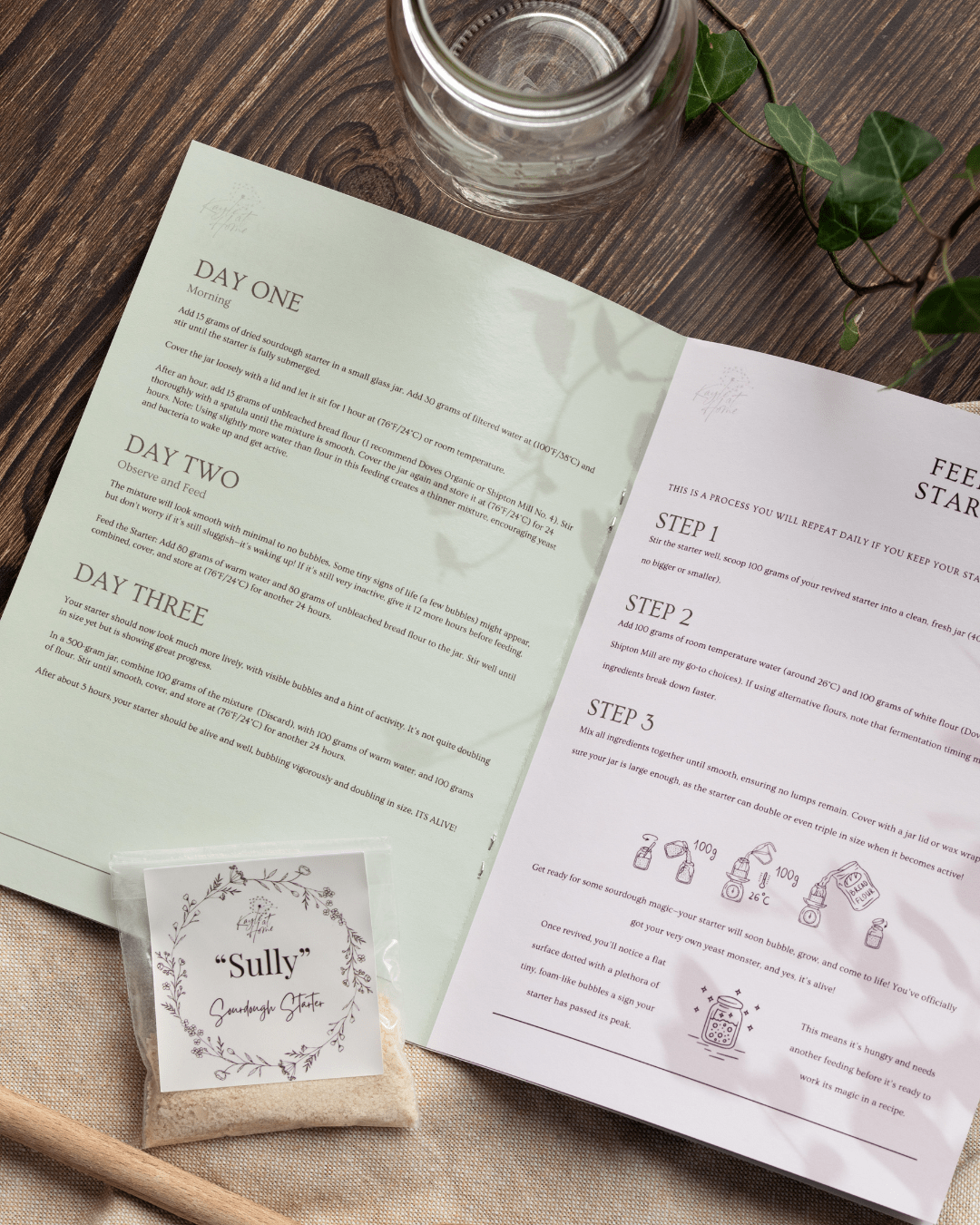
- An A5 step-by-step instruction booklet to guide you through the rehydration and activation process
Couldn't load pickup availability
Share
Sourdough Frequently Asked Questions
I'm not seeing a lot of activity when rehydrating my dehydrated Sully starter. What am I doing wrong?
The biggest thing I recommend is using a strong organic bread flour with a protein content of 12% or higher. My personal favourite is Shipton Mill, but any good-quality strong bread flour will work.
The water you use also makes a huge difference. Tap water can contain chlorine, which may slow your starter down, while distilled or reverse osmosis water doesn't contain the minerals your starter needs to thrive. I always recommend using spring water where possible.
What is discarding, and do I have to do it?
Discarding simply means removing some of your starter before feeding it.
The truth is, you don't always have to discard. I only do it when my jar is getting too full and I need to make room for the next feed. If you're trying to build up a larger starter and have plenty of space, you can continue feeding without discarding for a while.
Think of discarding as managing the amount of starter you have, rather than something that's essential every time.
Can I make a new starter from my discard?
Absolutely!
Discard isn't "dead" starter it's simply unfed starter. Feed it a few times at room temperature and it will soon become active and bubbly again.
I also love using discard in recipes like pancakes, crackers, waffles, pizza dough and muffins, so very little ever goes to waste.
How long can I keep my discard in the fridge?
I've personally kept discard in a sealed glass jar in the fridge for up to six months.
You may notice a dark liquid sitting on top. This is called hooch, and it's completely normal. It's simply a sign that your starter is hungry.
If you prefer a milder flavour, pour most of the hooch away before feeding. If you enjoy a more sour loaf, stir some back in before feeding your starter.
After a long rest in the fridge, I usually feed it every 12 hours for 2–3 days until it's active, bubbly and ready to bake with again.
Can I use metal with sourdough?
Yes but only stainless steel.
I regularly use stainless steel spoons and bowls without any problems. What I avoid are reactive metals such as aluminium or copper, as these can react with the acidity of the starter.
If you'd rather avoid metal altogether, wooden or silicone utensils and glass bowls are also great options.
What's the best container to keep my starter in?
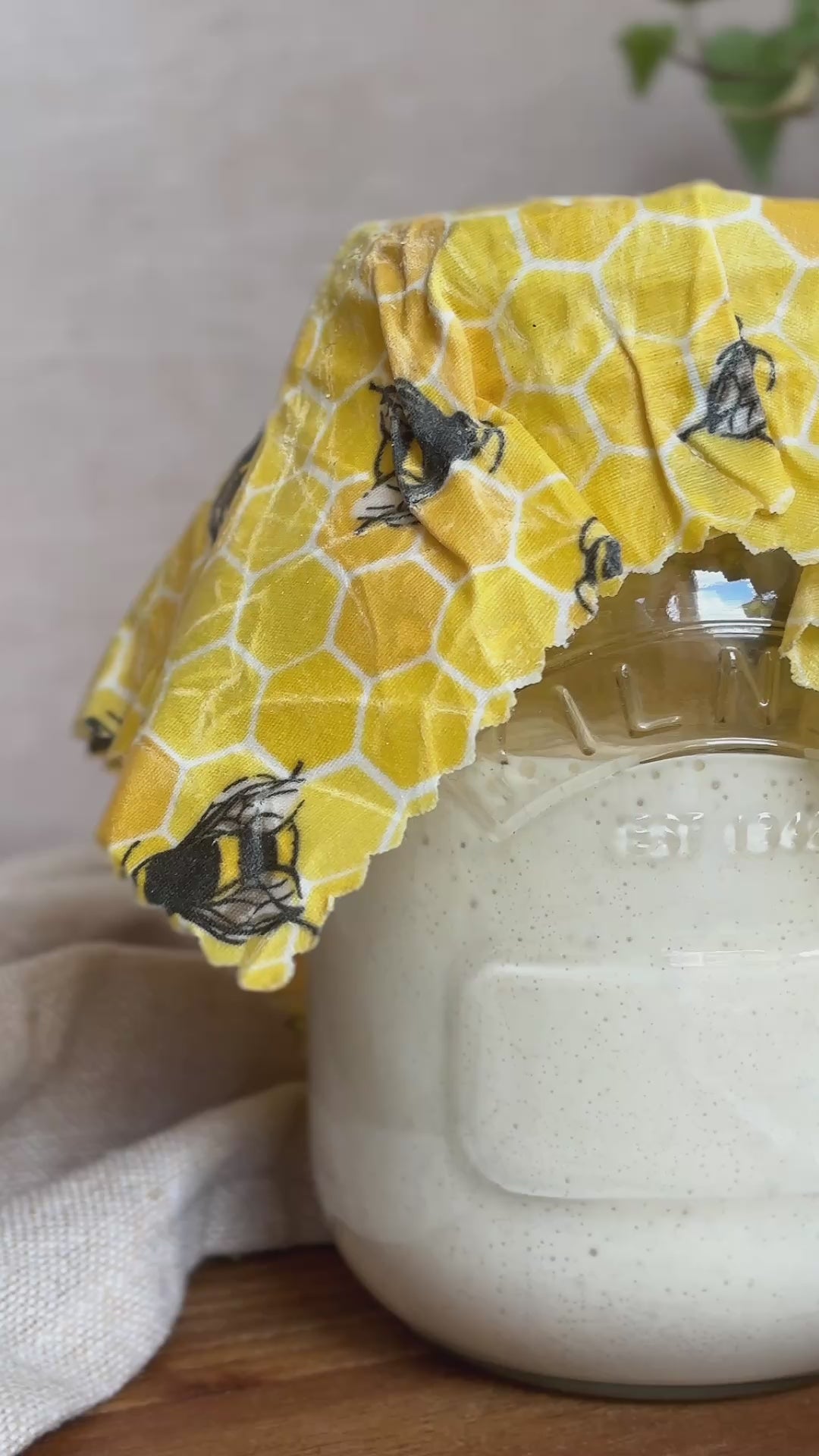
Everyone has their own preference, but I've found that Sully absolutely loves a glass jar with a locking lid.
After every feed, I simply close the lid. I don't use cloth covers or leave the lid sitting loosely on top.
For me, this helps keep fruit flies and mould spores out while allowing Sully to stay happy and active.
If you're worried about pressure building up, simply remove the rubber seal while your starter is on the worktop. When it's time to pop it in the fridge, put the seal back in and close the lid tightly.
I've tried a few different methods over the years, but this is the one that has worked best for me.