
Kayle at Home
Beginner’s Guide to Sourdough – Easy Step-by-Step Recipe
Beginner’s Guide to Sourdough – Easy Step-by-Step Recipe
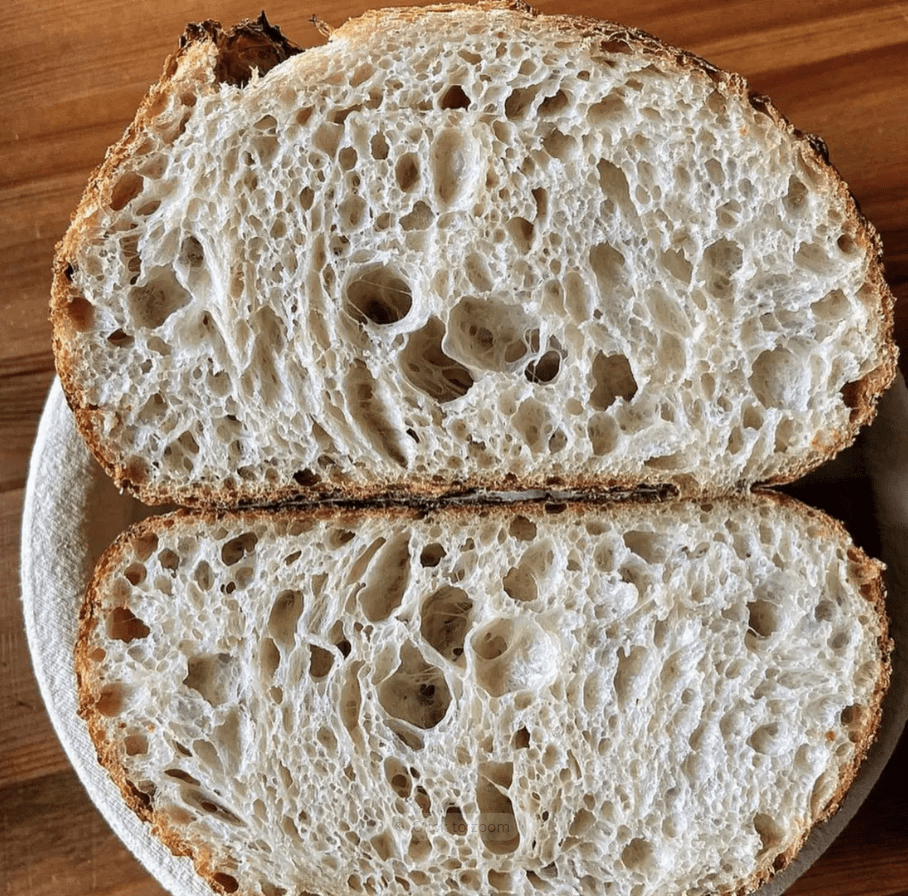
If you’ve been struggling to bake a light, airy sourdough loaf with that gorgeous golden crust this guide is for you.
Back in 2022, I was right where you are now: dense loaves, flat tops, and a whole lot of frustration. I nearly gave up. But after many rounds of trial and error, I finally developed a method that gave me consistent, delicious, bakery-style sourdough from my own kitchen.
This guide was born out of that journey. It’s the one I wish I had from the beginning one that cuts through the noise and gives you everything you need to get it right. Whether you're brand new or tired of trying and failing, this booklet is your shortcut to success.
What You’ll Receive:
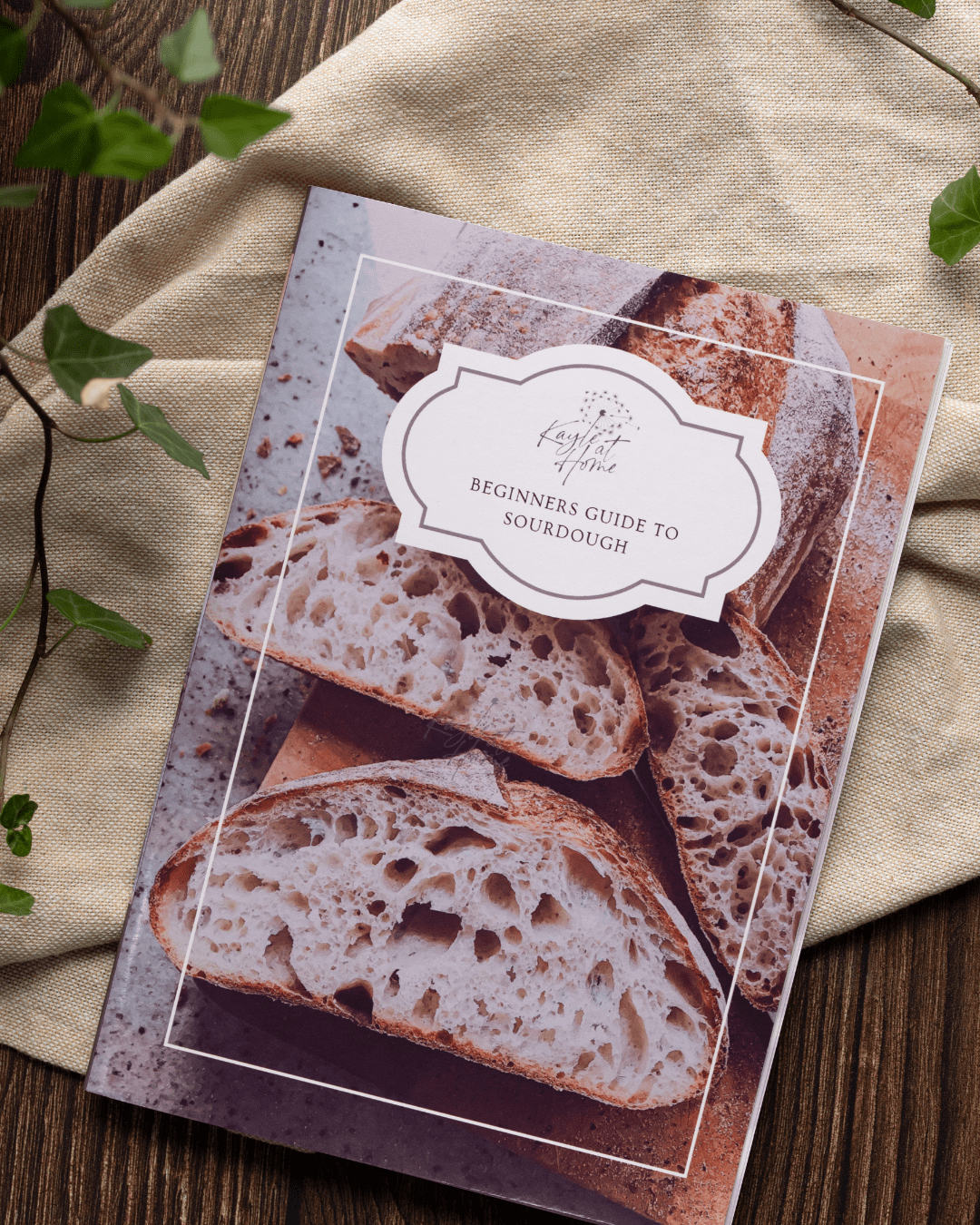
- An A5 double-sided fold-out guide
You don’t need fancy tools or years of baking experience.
Just a good guide, some patience, and the belief that you can do this. I promise your confidence will grow with every loaf.
Looking for a proven sourdough starter to pair with your guide? Check out “Sully,” our 60+ year old dehydrated starter. Together, they’re a match made in sourdough heaven.
Couldn't load pickup availability
Ingredients
Ingredients
Share
Sourdough Frequently Asked Questions
Why is my bread dense when my starter looks active?
There are a few reasons this can happen, even if your starter looks lovely and bubbly.
Your starter may still be quite young and not yet strong enough to give your loaf a good rise. You may also be using it after it's already peaked and started to fall.
Other common reasons include under-proofing or over-proofing your dough, not using enough water, or baking at too low a temperature.
The good news is that these are all things that become much easier with practice, so don't be discouraged. Every loaf teaches you something new.
After I take some starter to bake with, should I feed it straight away or wait until the next day?
This really comes down to personal preference.
After I've taken what I need for baking, I usually wait 18–24 hours before feeding Sully again. This gives the starter time to become hungry, which helps avoid unnecessary feeding and wasting flour.
That said, if your starter has been a little sluggish or hasn't been fed for a while, feeding it straight after you've taken some can help give it a boost. There's no single right or wrong way it's all about finding a routine that works for you.
When should I take starter for baking bread?
The best time to use your starter is when it has doubled in size and reached its peak.
You'll notice the rounded dome on top starts to flatten slightly, but it hasn't started to fall. This is when your starter is at its strongest and will give your bread the best rise.
If you use it a little before it reaches its peak, that's absolutely fine. However, if it's already started to collapse, it may not have quite as much strength, which can affect the rise of your loaf.
My dough is really sticky. What did I do wrong?
Sticky dough is one of the most common things new sourdough bakers experience, so don't worry!
In many cases, it means your dough has become over-proofed or over-fermented. Warm temperatures and high humidity can speed up fermentation, which is why recipes sometimes need small adjustments depending on your kitchen.
Sourdough isn't about following a recipe perfectly every time it's about learning to understand your dough. As you gain confidence, you'll begin to recognise when it needs a little more flour, a little less water, or a little more time. Every loaf teaches you something new, and before long you'll be baking by feel rather than strictly by the recipe.